
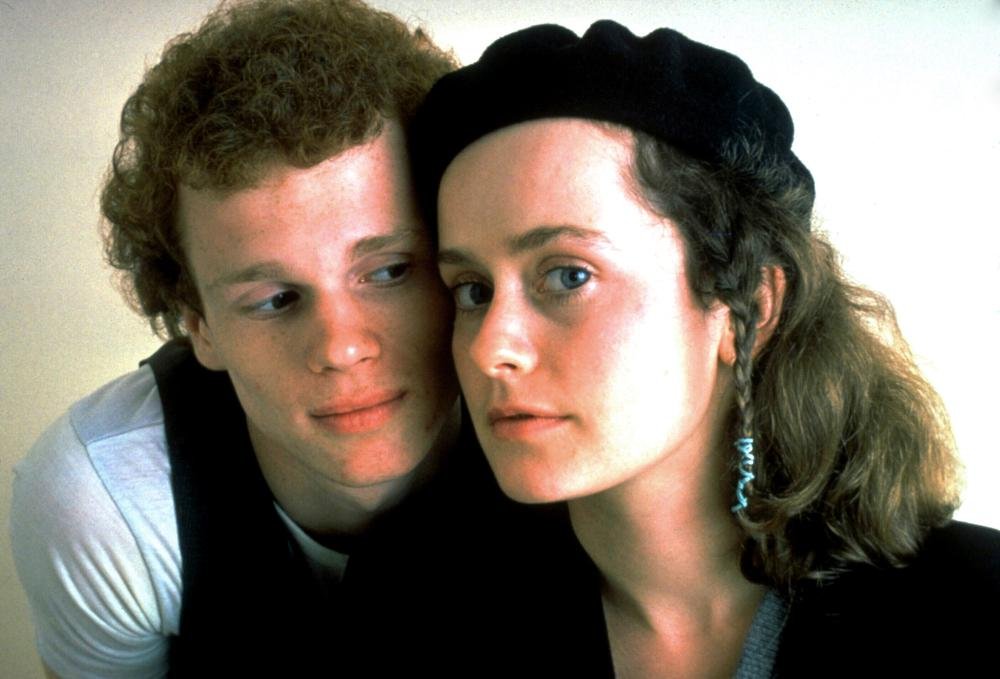
Introduction to Paul McCrane
Paul McCrane is one of those actors many people instantly recognize, even if they do not always remember his name right away. That is often the mark of a truly effective performer: someone who can disappear so fully into a role that the character becomes larger than the celebrity. Over the course of several decades, Paul McCrane has built a career based on intensity, range, and a willingness to take risks that many actors avoid.
For audiences who grew up watching film and television in the 1980s, 1990s, and 2000s, McCrane’s face is tied to some unforgettable scenes. Paul McCrane He was the emotionally open Montgomery in Fame, the terrifying Emil in RoboCop, and the sharp-tongued Dr. Robert Romano in ER. Each performance was distinct, and each helped establish him as one of Hollywood’s most dependable character actors.
What makes McCrane especially interesting is that his career never followed a predictable path. Rather than chasing safe leading-man roles, he embraced difficult, Paul McCrane strange, and morally complicated characters. That decision helped him stay relevant across generations of viewers and through major shifts in the entertainment industry.
This article takes a closer look at Paul McCrane’s journey, his defining performances, his artistic evolution, and why his work still stands out today.
Early Life and the Start of an Acting Career
Paul McCrane was born on January 19, 1961, in Philadelphia, Pennsylvania. He grew up in a household that was already connected to creativity, and that early exposure helped shape his interest in performance. His family later moved to Richboro, Paul McCrane Pennsylvania, where he spent much of his youth before moving toward professional acting.
After graduating from Holy Ghost Preparatory School, Paul McCrane moved to New York City and studied theater at HB Studio. That training mattered. Even early in his career, he brought a seriousness to performance that made him stand out from actors who relied only on screen presence. McCrane’s craft was rooted in technique, observation, and emotional truth.
His first screen appearances came at a young age. One of his earliest memorable moments was a brief but funny scene in Rocky II, Paul McCrane where he played a hospitalized fan asking Rocky Balboa to sign his cast. It was a small role, but it showed that he was already comfortable onscreen.
Like many actors starting out, McCrane had to prove that he could do more than simply fit a type. In his early years, he often played sensitive or vulnerable young men, but even then, there was something more layered in his performances than the script strictly required.
Fame and the Breakthrough That Put Him on the Map
McCrane’s real breakthrough came with the 1980 film Fame, where he played Montgomery MacNeil. The movie became a cultural phenomenon because it captured the ambition, insecurity, and emotional turbulence of young artists trying to build their futures. McCrane’s performance stood out because it was deeply human and unusually sincere.
Montgomery was not written as a flashy character. Instead, he was thoughtful, vulnerable, and searching for belonging. McCrane brought warmth and honesty to the role, which helped the character resonate with audiences. In a movie full of energy and big personalities, his quieter emotional beats gave the film balance.
Another major part of his success in Fame was his musical contribution. McCrane was not just acting in the film; he was also singing. His vocals on songs such as “Is It Okay If I Call You Mine?” helped show his artistic versatility and gave the performance added depth.
For many young actors, a breakout role like Fame can become a trap. Audiences and casting directors begin to expect more of the same. McCrane could have stayed in that lane, but his later choices showed that he had no interest in becoming predictable.
Reinventing Himself Through Darker and Tougher Roles
One of the smartest decisions McCrane made was refusing to stay boxed into soft or sensitive roles. As he got older, he deliberately shifted toward more aggressive, dangerous, and morally gray characters. That choice expanded his range and made his career more durable.
A major turning point came with RoboCop in 1987, where McCrane played Emil Antonowsky, one of the film’s most memorable villains. Even in a movie filled with over-the-top action and satire, his performance left a lasting impression. The role was nasty, intense, and physically demanding.
McCrane understood something many actors miss: supporting roles can become iconic if played with conviction. Emil was not the lead, but audiences still remember him because McCrane committed fully to the character’s menace and chaos.
This phase of his career also included films like The Hotel New Hampshire and The Shawshank Redemption, where he continued to prove that he could shift between unsettling, emotional, and sharply defined characters without losing authenticity.
ER and the Role That Made Him a Television Fixture
If Fame introduced Paul McCrane to audiences, ER made him unforgettable for mainstream television viewers. His role as Dr. Robert Romano became one of the defining performances of the series. Originally introduced as a recurring character, Romano was so effective that McCrane became a regular cast member.
Romano was arrogant, abrasive, brilliant, and often cruel. On paper, a character like that could easily become one-dimensional. McCrane avoided that trap by giving Romano intelligence, wit, and occasional glimpses of emotional complexity. That balance made the character frustrating but compelling.
McCrane’s work on ER showed his command of rhythm and tone. He knew when to push sarcasm, when to escalate conflict, and when to let silence do the work. It is part of why viewers loved to hate Romano while still being fascinated by him.
His time on ER also expanded his industry reputation beyond acting. McCrane later directed episodes of television, proving that his understanding of storytelling went far beyond performing in front of the camera.
Longevity, Versatility, and Lasting Respect
What separates Paul McCrane from many actors of his era is consistency. He has worked across film, television, stage, and music without becoming repetitive. Whether appearing in The X-Files, 24, Harry’s Law, All Rise, or newer projects, he has maintained a reputation for elevating material.
His 2011 Emmy win for Harry’s Law was another reminder that strong character actors often have careers that deepen with time rather than fade. McCrane’s performances have aged well because they were built on craft instead of trends.
Recent interviews also show that McCrane has a thoughtful perspective on the profession. He has spoken candidly about being typecast, making deliberate career choices, and learning to survive criticism. That honesty helps explain why his career has lasted so long.
There is something refreshing about an actor who never seemed desperate to become a brand. Paul McCrane focused on the work, and because of that, the work continues to matter.
Conclusion: A
Paul McCrane may not always dominate celebrity headlines, but his career is a perfect example of what long-term artistic success really looks like. He built a body of work based on versatility, discipline, and smart reinvention rather than shortcuts.
From Fame to RoboCop to ER, he has played characters that feel vivid years after audiences first met them. That kind of staying power is rare. It comes from understanding performance at a deeper level than fame alone can offer.
His journey is also a reminder that some of the most valuable careers in entertainment are built quietly. Not every great actor becomes a global superstar, but many leave an impact that is just as lasting. McCrane belongs firmly in that category.
For anyone interested in acting, television history, or the craft of character performance, Paul McCrane’s career is well worth studying. His work proves that range, courage, and consistency can build a legacy that outlasts trends.










Leave a Reply