
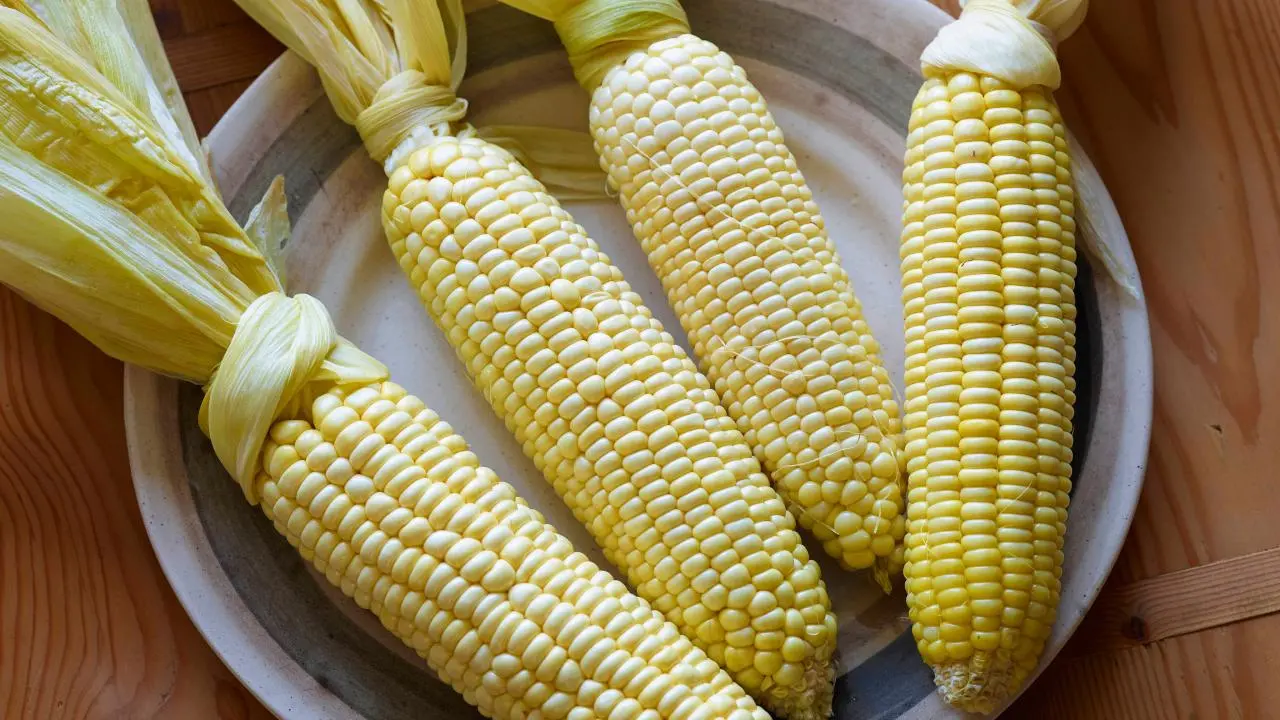
Introduction to oven roasted corn on the cob in husk
Oven roasted corn on the cob in husk is one of those simple, timeless cooking techniques that consistently delivers incredible flavor with minimal effort. Whether you’re a seasoned home cook or someone just stepping into the kitchen, this method offers a foolproof way to enjoy sweet, juicy corn without needing a grill or fancy equipment. The beauty lies in its simplicity—just fresh corn, its natural husk, and the magic of oven heat.
In this detailed guide, we’ll break down everything you need to know about roasting corn in the husk. From understanding why this method works so well to mastering different variations, you’ll come away with expert-level knowledge that elevates your cooking game.
What Makes Oven Roasted Corn in Husk So Special?
One of the biggest advantages of roasting corn oven roasted corn on the cob in husk in its husk is how naturally it preserves moisture. The husk acts like a protective shell, trapping steam and preventing the kernels from drying out. This creates a soft, juicy texture that’s hard to achieve with other methods like boiling or grilling without husk protection.
Another reason this method stands out is flavor concentration. As the corn roasts, its natural sugars intensify, resulting in a subtly caramelized taste. You don’t need much seasoning because the corn essentially cooks in its own flavorful environment. It’s a great example of how less can truly be more in cooking.
Finally, convenience plays a huge role. There’s no need to clean or prep extensively. You don’t have to remove silk beforehand, soak the corn, or babysit it constantly. Just place it in the oven and let the heat do its job. For busy kitchens or casual meals, that oven roasted corn on the cob in husk simplicity is invaluable.
Choosing the Perfect Corn for Roasting
The quality of your corn will directly impact the final oven roasted corn on the cob in husk result, so it’s worth taking a moment to choose wisely. Look for ears with bright green husks that feel slightly damp and tightly wrapped. This indicates freshness and helps ensure the kernels inside haven’t dried out.
Another key detail is the silk at the top of the corn. Fresh corn will have light brown or golden silk that feels slightly sticky. If it’s black, brittle, or dry, the corn is likely past its prime. Fresh silk is a good sign that the kernels inside are still juicy and sweet.
When you gently press the husk, you should feel plump kernels underneath. Avoid corn that feels uneven or has gaps. Consistency in kernel size usually means better texture and more even roasting. In short, fresh, firm, and vibrant corn is always the best choice.
Preparing Corn for Oven Roasting in Husk
One of the best parts about this method is how little preparation it requires. Unlike other techniques, you don’t need to remove the husk or silk beforehand. In fact, keeping everything intact is what makes this method work so well.
Start by giving the corn a quick rinse under cold oven roasted corn on the cob in husk water. This helps remove any dirt or debris clinging to the husk. Some cooks like to trim the excess silk at the top, but it’s not strictly necessary. The silk will dry out during roasting and can be easily removed afterward.
Once cleaned, you can place the corn directly onto the oven rack or on a baking sheet. There’s no need to wrap it in foil or add oil at this stage. The husk itself acts as a natural barrier, locking in moisture and ensuring even cooking.
Step-by-Step Guide to Roasting Corn in Husk
Preheat your oven to around 200°C (400°F). This temperature strikes the perfect balance between cooking the corn thoroughly and allowing slight caramelization to develop inside the husk. Too low, and the corn may turn out undercooked; too high, and the husk might burn before the kernels are ready.
Place the corn directly on the oven rack or on a baking tray. Make sure there’s some space between each ear so the heat can circulate properly. Crowding the oven can lead to uneven cooking, which you definitely want to avoid.
Roast the corn for about 25 to 35 minutes. The oven roasted corn on the cob in husk exact time depends on the size and freshness of the corn. You’ll know it’s done when the husk starts to brown slightly and feels dry to the touch. Once removed from the oven, let it cool for a few minutes before peeling—it will be hot and steamy inside.
Flavor Enhancements and Seasoning Ideas
While roasted corn in husk is delicious on its own, adding flavors oven roasted corn on the cob in husk can take it to another level. Once the corn is cooked and peeled, you have a blank canvas for seasoning. A simple spread of butter and a pinch of salt is classic for a reason—it enhances the natural sweetness without overpowering it.
For something more adventurous, try brushing the corn with garlic butter or herb-infused oil. Fresh herbs like parsley, cilantro, or basil pair beautifully with the smoky sweetness of roasted corn. A squeeze of lemon or lime can also add brightness and balance.
If you enjoy bold flavors, consider sprinkling chili oven roasted corn on the cob in husk powder, paprika, or even a dash of cheese on top. These additions can transform your corn into a more complex side dish that complements a wide range of meals.
Common Mistakes to Avoid
Even though this method is straightforward, there are a few common oven roasted corn on the cob in husk pitfalls to watch out for. One mistake is using corn that isn’t fresh. Older corn tends to be less sweet and can turn out dry, even when roasted in the husk.
Another issue is overcooking. While the husk protects the corn, leaving it in the oven too long can still cause the kernels to lose their tenderness. Keep an eye on the time and check for doneness within the recommended window.
Finally, avoid peeling the husk too early after roasting. The trapped steam inside helps finish the cooking process and enhances the texture. Let the corn oven roasted corn on the cob in husk rest for a few minutes before opening it up to get the best results.
Nutritional Benefits of Corn
Corn is not just tasty—it’s also packed with nutrients. It’s a good source of fiber, which supports digestive health and helps keep you feeling full. Including corn in your meals can contribute to a balanced diet without adding excessive calories.
Additionally, corn contains essential vitamins such as vitamin C and several B vitamins. These nutrients play important roles in energy production, immune function, and overall well-being. It’s a surprisingly wholesome addition to many dishes.
Corn also provides antioxidants like lutein and zeaxanthin, which are known to support eye health. When prepared simply—like roasting in the husk—you oven roasted corn on the cob in husk preserve most of these nutrients while enjoying a naturally delicious food.
Variations of Oven Roasted Corn
While the classic method is unbeatable, there are several variations oven roasted corn on the cob in husk you can explore. One option is to soak the corn in water for about 15 minutes before roasting. This oven roasted corn on the cob in husk can add extra moisture and create a slightly more steamed texture inside.
Another variation involves partially peeling back the husk, adding butter or seasoning directly onto the kernels, and then wrapping it back up before roasting. This allows the flavors to infuse more deeply into the corn as it cooks.
You can also experiment with different oven temperatures and cooking times to achieve slightly different textures. A lower temperature for a longer time results in softer kernels, while higher heat can add a touch of roastiness and depth.
Serving Ideas and Pairings
Oven roasted corn on the cob in husk pairs beautifully with a wide range of dishes. It’s a natural fit for grilled meats, roasted chicken, or even simple vegetarian meals. The mild sweetness complements both rich and light flavors.
For casual gatherings, corn can be served as a standalone snack or appetizer. It’s easy to handle, requires minimal utensils, and appeals to all age groups. Adding a variety of toppings can turn it into a fun, customizable experience for guests.
You can also cut the kernels off the cob and use them in salads, salsas, or pasta dishes. This versatility makes roasted corn a valuable ingredient that goes beyond just a side dish.
Why This Method Beats Boiling and Grilling
Boiling corn is quick, but it often dilutes the flavor. Water can wash away some of the natural sugars, leaving you with a milder taste. In contrast, roasting in the husk preserves and enhances those flavors.
Grilling, while delicious, requires more attention and oven roasted corn on the cob in husk can sometimes dry out the corn if not done carefully. It also involves dealing with direct flames, which may not be convenient for everyone. Oven roasting offers a more controlled and consistent approach.
Overall, roasting corn in the husk strikes the perfect balance between convenience, flavor, and texture. It delivers results that rival or even surpass other cooking methods, making it a favorite among home cooks and professionals alike.
Final Thoughts: Mastering the Art of Oven Roasted Corn
Oven roasted corn on the cob in husk is a perfect example of how simple techniques can yield extraordinary results. With minimal preparation and a hands-off cooking process, you can create a dish that’s both comforting and impressive.
The key lies in understanding the basics—choosing fresh corn, maintaining the husk, and roasting at the right temperature. Once you’ve mastered these fundamentals, you can experiment with flavors and variations to suit your personal taste.
In the end, this method is not just about cooking corn—it’s about appreciating the natural qualities of a humble ingredient and bringing out its best. Whether you’re oven roasted corn on the cob in husk cooking for yourself, your family, or a group of friends, oven roasted corn in husk is always a reliable and delicious choice.





Leave a Reply