
Introduction
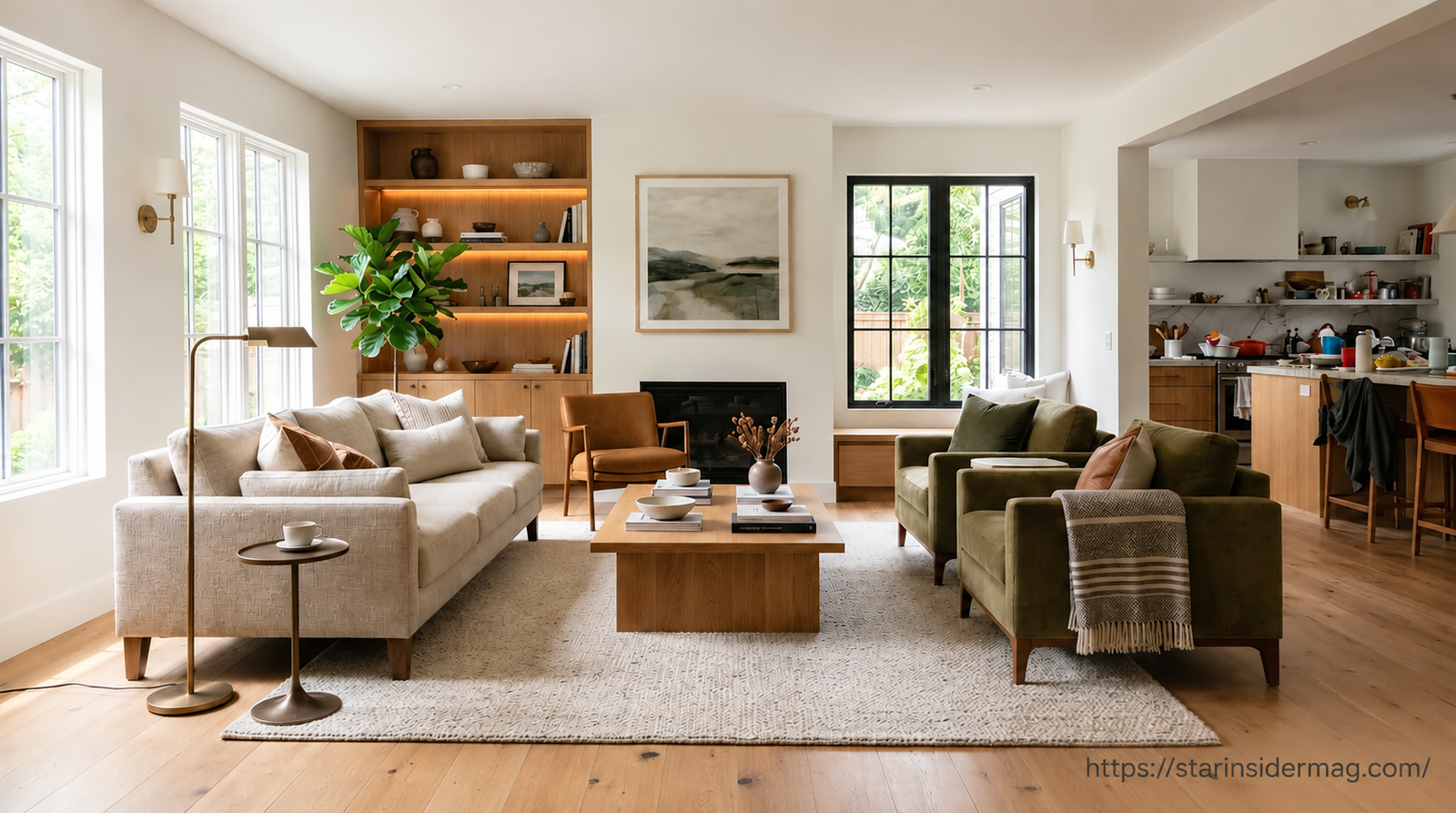
Interior design is interesting because it combines creativity, comfort, functionality, and personal expression. A well-designed room can change how people feel, improve everyday routines, and make a house feel more like home. From choosing colors and furniture to arranging lighting and decorative accessories, every decision plays a role in shaping a space. This is why many people want to understand why interior design is interesting MintPalDecor and how thoughtful design can improve their surroundings.
Interior design is not limited to expensive furniture or luxurious homes. It is also about making small rooms feel spacious, creating comfortable working environments, and finding practical ways to express individual tastes. Even simple changes, such as adding natural light or rearranging furniture, can make a noticeable difference.
The connection between interior design and MintPalDecor offers an opportunity to explore how people approach home decoration, creativity, and modern living. Rather than treating decoration as a collection of random objects, it helps to view a room as a complete environment where colors, textures, lighting, and furniture work together.
This article explains what makes interior design fascinating, why people enjoy decorating their homes, which design elements matter most, and how beginners can create attractive spaces without unnecessary expense.
Table of Contents
- What Makes Interior Design Interesting?
- Understanding the MintPalDecor Connection
- How Colors and Textures Transform a Room
- The Importance of Furniture and Space Planning
- Lighting and Natural Elements in Interior Design
- Why Interior Design Matters in Everyday Life
- Popular Interior Design Styles to Explore
- Practical Tips for Beginners
- Frequently Asked Questions
- Conclusion
What Makes Interior Design Interesting?
Interior design is fascinating because it why interior design is interesting mintpaldecor allows people to turn ordinary rooms into meaningful and attractive spaces. A living room, bedroom, kitchen, or home office can have a completely different atmosphere depending on how it is designed. The same room may look peaceful with soft colors and natural materials, or energetic with bold shades and contrasting patterns.
One of the most interesting aspects of interior design is its combination of creativity and problem-solving. Designers must consider the appearance of a room while making sure it serves its intended purpose. For example, a small apartment needs smart storage and carefully arranged furniture. A family living room may require durable materials, comfortable seating, and enough space for different activities. Each situation creates a new design challenge.
Another reason people find interior design exciting is that there is no single solution for every home. Some people prefer simple and uncluttered surroundings, while others enjoy colorful rooms filled with artwork and personal collections. These differences make interior design a flexible field where people can experiment, learn, and discover their own preferences.
Interior Design as a Form of Personal Expression
A home often reflects the personality of the people who live in it. Family photographs, handmade decorations, favorite colors, books, and artwork can communicate personal interests without requiring words. Interior design provides a way to organize these elements into a space that feels why interior design is interesting mintpaldecor comfortable and authentic.
Personal expression does not mean filling every corner with decorations. Sometimes, a few carefully chosen objects communicate more than an entire room of accessories. A favorite painting above a sofa or a collection of plants beside a window can become an important part of a room’s identity.
This freedom makes interior design enjoyable for people with different budgets and experience levels. Someone can begin with a simple color change or a new furniture arrangement and gradually develop a more complete design. The process encourages creativity while allowing individuals to make choices that suit their lifestyles.
Understanding the MintPalDecor Connection
The keyword why interior design is interesting MintPalDecor combines a general question about interior design with a specific name associated with the search. Readers using this phrase may want to explore home decoration ideas, understand the appeal of interior styling, or learn how design concepts can be applied to everyday living.
It is important to distinguish the general subject from why interior design is interesting mintpaldecor information about a particular website or brand. Interior design principles can be explained using established concepts such as color coordination, furniture placement, lighting, proportion, and material selection. However, specific claims about MintPalDecor’s ownership, services, published articles, or professional experience should only be made when reliable information supports them.
For readers interested in home inspiration, the broader connection is still useful. Design-focused resources can help people discover different decorating approaches, compare room styles, and understand how individual elements contribute to a finished space. The value of any resource depends on the quality, accuracy, and practical usefulness of its information.
Exploring Design Ideas Through Online Inspiration
Online home decoration content can introduce why interior design is interesting mintpaldecor readers to styles they might not otherwise consider. Photographs, room guides, color suggestions, and furniture ideas can provide starting points for planning a home improvement project. They can also help beginners identify the features they like before spending money on materials or furniture.
However, inspiration should be adapted to the actual home rather than copied without consideration. A large room shown in a photograph may have different proportions, lighting conditions, and furniture requirements from a small bedroom or apartment. Practical decisions should reflect the space available and the needs of the people using it.
When exploring MintPalDecor or another design-related resource, readers should evaluate the information carefully. Useful guidance explains why a design choice works, identifies practical limitations, and offers ideas that can be adapted to different budgets. This approach makes online inspiration more valuable than simply following the latest decorating trend.
How Colors and Textures Transform a Room
Color is one of the most noticeable elements of interior design. It can influence the atmosphere of a room, connect different decorative pieces, and create a sense of visual balance. Light neutral shades often provide a calm background, while stronger colors can add personality and draw attention to particular areas.
Choosing a color scheme becomes easier when the room’s purpose is considered first. A bedroom may benefit from colors that feel restful, while a creative workspace might use more energetic accents. These are not strict rules, because individual preferences and cultural associations influence how people experience color. Testing paint samples under different lighting conditions is a practical way to make confident decisions.
Texture adds another dimension to a room. Smooth wood, soft cushions, woven rugs, glass surfaces, metal accessories, and natural fabrics create different visual and physical experiences. Combining a few contrasting textures can prevent a neutral room from feeling flat. For instance, a simple sofa may look more inviting with a knitted throw, textured cushions, and a rug that adds warmth underfoot.
Creating Balance With Color and Materials
A successful color scheme does not require every why interior design is interesting mintpaldecor item to match exactly. Instead, the colors should work together as a balanced composition. One useful approach is to select a dominant color, introduce one or two supporting shades, and use smaller accents to add interest.
Materials can also connect different parts of a room. Repeating a wood finish in a coffee table, shelving, or picture frame may create a consistent appearance. Similarly, using a similar fabric tone across cushions and curtains can help the room feel coordinated without making it look overly uniform.
It is equally important to leave some visual breathing room. Too many competing colors, patterns, and finishes may make a space feel crowded. A thoughtful mixture of simple surfaces and distinctive details often creates a more comfortable result than decorating every available area.
The Importance of Furniture and Space Planning
Furniture affects how a room looks and how why interior design is interesting mintpaldecor people move through it. Even attractive furniture can make a space uncomfortable when the pieces are too large, poorly positioned, or unsuitable for the room’s purpose. Space planning helps prevent these problems by considering movement, access, proportions, and everyday activities before furniture is purchased or arranged.
The first step is to understand how the room will be used. A living room designed for family gatherings may need several comfortable seating options. A small bedroom might benefit from furniture that includes storage. A home office needs an appropriate work surface, supportive seating, and enough room to move without obstacles.
Measuring the room before purchasing furniture is particularly important. It helps people estimate whether a sofa will fit through a doorway, whether a dining table leaves enough walking space, and whether cabinets can open fully. These practical details may seem less exciting than choosing colors, but they often determine whether the finished room works well.
Making Small Rooms Feel More Spacious
Small rooms can be attractive and functional when their layouts are planned carefully. Furniture with slim profiles, wall-mounted shelves, and multipurpose pieces can help preserve valuable floor space. Keeping frequently used items organized also reduces clutter and makes the room easier to maintain.
Mirrors can reflect light and create a greater sense of openness when positioned thoughtfully. Light-colored walls may help a room feel brighter, especially when natural light is available. However, darker colors can also work in small rooms when the desired result is a cozy, dramatic atmosphere.
Storage deserves special attention in compact homes. Under-bed drawers, storage benches, baskets, and vertical shelving can help keep everyday belongings accessible without covering every surface. The goal is not to remove everything from view but to give each item a suitable place.
Lighting and Natural Elements in Interior Design
Lighting is essential because it influences visibility, why interior design is interesting mintpaldecorcomfort, and the appearance of other design elements. A carefully decorated room may still feel unpleasant if it is too dark or has harsh lighting. Good lighting considers the activities taking place in the room and provides suitable illumination for each one.
Interior lighting generally includes ambient, task, and accent lighting. Ambient lighting provides overall illumination, task lighting supports specific activities, and accent lighting highlights selected features. A kitchen may need general ceiling lights and brighter illumination above work surfaces, while a reading corner benefits from a suitable lamp near the chair.
Natural light also plays an important role. Windows can make rooms feel more open and connect indoor spaces with the outdoors. Lightweight curtains may help preserve brightness, while adjustable blinds provide more control over privacy and glare. The best solution depends on window direction, climate, room function, and personal preference.
Bringing Nature Indoors
Natural materials and plants can make interior spaces feel more connected to the outdoors. Wooden furniture, woven baskets, stone accessories, and linen fabrics introduce organic textures that work with many decorating styles. These materials can add visual interest without requiring complicated patterns or elaborate decorations.
Indoor plants offer another option for creating a more inviting environment. Their shapes, leaf colors, and varying heights can soften hard surfaces and add life to otherwise plain corners. Before choosing plants, consider the amount of sunlight available, watering requirements, and whether the selected varieties are suitable for households with children or pets.
Natural elements should support the room rather than overwhelm it. A few well-positioned plants, a wooden table, or a natural-fiber rug may provide enough detail to create a balanced appearance. The aim is to combine beauty with practical maintenance and long-term comfort.
Why Interior Design Matters in Everyday Life
Interior design influences more than appearance. The why interior design is interesting mintpaldecor arrangement of a room can affect how easily people complete everyday tasks, relax after work, entertain guests, and organize personal belongings. A thoughtfully arranged environment can remove small sources of frustration, such as insufficient storage, uncomfortable seating, or poor lighting near a work surface.
Comfort is another important consideration. Furniture should suit the people using it, while room layouts should provide enough space for ordinary movement. A family home may require flexible areas for studying, relaxing, and spending time together. A person working remotely may benefit from a dedicated workspace that separates professional activities from household distractions.
Interior design can also support emotional connections. Familiar objects, meaningful artwork, and carefully chosen colors can help people feel more attached to their homes. These personal details often matter more than expensive finishes because they reflect memories, interests, and individual routines.
Functionality and Beauty Working Together
A common misunderstanding is that attractive rooms must sacrifice practicality. In reality, good interior design attempts to balance both goals. A beautiful dining table should also provide enough space for meals, while an elegant entryway should offer a convenient place for shoes, coats, or bags when needed.
Practical design decisions can improve everyday routines without making a room look ordinary. Closed storage can hide clutter, attractive baskets can organize frequently used items, and adjustable lighting can support several activities in the same space. These choices demonstrate how function can become part of the overall visual design.
The best results usually come from understanding why interior design is interesting mintpaldecor the people who use the room. A home should not be designed only to look impressive in photographs. It should support real activities, reflect personal preferences, and remain comfortable over time. That combination is one of the strongest reasons interior design remains interesting.
Popular Interior Design Styles to Explore
Interior design includes many styles, each with its own visual characteristics. Exploring different approaches can help homeowners identify what appeals to them and make more consistent choices. Understanding a style does not mean following every rule. Many attractive homes combine elements from different traditions to create a personal look.
Modern design often emphasizes clean lines, functional furniture, and a relatively uncluttered appearance. Contemporary interiors reflect current design preferences, which means their details can change over time. Minimalist spaces take simplicity further by limiting unnecessary objects and focusing on essential furniture, materials, and forms.
Traditional interiors may feature detailed furniture, classic patterns, decorative finishes, and familiar arrangements. Scandinavian-inspired spaces often emphasize simplicity, practical design, natural materials, and a bright atmosphere. Industrial interiors may incorporate metal, exposed structural details, and materials associated with workshops or converted buildings.
Finding a Style That Fits Your Home
Choosing a design style begins with understanding why interior design is interesting mintpaldecor personal needs rather than following popularity alone. Someone who enjoys displaying books, travel souvenirs, and artwork may prefer a more layered interior. A person who wants fewer distractions may find a simpler style more suitable.
The building itself can also influence design decisions. A compact apartment, a historic property, and a newly built house each present different opportunities. Existing flooring, window placement, ceiling height, and architectural details may guide the selection of colors and furniture.
It can be helpful to collect a small group of inspiration images and look for repeated features. Perhaps the preferred rooms share warm wood, neutral walls, rounded furniture, or colorful artwork. Identifying these common elements makes it easier to develop a consistent plan without copying a complete room.
Practical Tips for Beginners
Getting started with interior design does not require professional training. Beginners can learn through observation, experimentation, and small improvements. The most effective starting point is to identify what currently works in a room and what causes problems. This prevents unnecessary purchases and keeps the project focused on real needs.
Set a budget before buying furniture or decorations. Divide the available money between essential items and optional improvements, leaving some room for unexpected expenses. Paint, lighting, storage, and rearranged furniture may offer meaningful improvements without requiring a complete renovation.
It is also useful to work on one room or one clearly defined area at a time. Trying to change the entire home at once can create confusion and lead to inconsistent purchases. A gradual approach allows people to evaluate each decision before moving to the next stage.
Common Decorating Mistakes to Avoid
One common mistake is purchasing furniture without measuring the room. A piece may look attractive in a showroom but feel oversized at home. Measuring the floor area, doorways, and available walking routes helps prevent costly errors.
Another mistake is relying on a single source of light. One ceiling fixture may leave corners dark or create uncomfortable shadows. Adding a floor lamp, desk lamp, or suitable wall light can improve how the room functions and appears.
Finally, avoid treating every trend as a requirement. Popular colors, furniture shapes, and decorative accessories can provide inspiration, but they may not suit every home. Choose items based on comfort, durability, maintenance needs, and personal preference. A room that continues to work well after trends change is often a better investment than one designed entirely around temporary fashions.
Frequently Asked Questions
1. Why is interior design interesting?
Interior design is interesting because it combines creativity, practical problem-solving, and personal expression. It allows people to improve the appearance and functionality of their surroundings while creating spaces that reflect their lifestyles.
2. What does the keyword why interior design is interesting MintPalDecor mean?
The keyword combines a general question about interior design with the name MintPalDecor. People searching for it may be looking for design inspiration or information connected with home decoration. Specific claims about MintPalDecor should be checked against reliable information about the relevant website or brand.
3. Can beginners learn interior design?
Yes. Beginners can start by learning about why interior design is interesting mintpaldecor color combinations, furniture placement, lighting, room proportions, and storage. Making small changes and observing their results can help build practical knowledge over time.
4. Does good interior design require a large budget?
No. Good interior design can work with different budgets. Rearranging furniture, improving lighting, decluttering, adding affordable textiles, and reusing existing decorations can all improve a room without major spending.
5. What is the most important element of interior design?
There is no single element that matters most in every situation. Layout, lighting, color, furniture, materials, and personal needs all contribute to the final result. The right priorities depend on the room and how people use it.
Conclusion
Understanding why interior design is interesting MintPalDecor begins with recognizing that design is much more than decorating a room to make it look attractive. It combines creativity, practical planning, personal expression, and an understanding of how people interact with their surroundings.
Color, texture, furniture, lighting, and natural materials all contribute to the character of a space. When these elements work together, they can make rooms more comfortable, functional, and visually appealing. The best approach also considers individual needs, available space, maintenance, and budget.
For anyone exploring MintPalDecor or other home decoration resources, the most useful ideas are those that can be adapted to real living conditions. Inspiration becomes more valuable when it leads to practical decisions rather than unnecessary spending or copying trends.
Ultimately, interior design remains interesting because why interior design is interesting mintpaldecor every home presents different possibilities. Whether someone is improving a small bedroom, organizing a busy living room, or refreshing an entire house, thoughtful choices can make everyday spaces more personal and enjoyable.











Leave a Reply