
Choosing an analytics tool is rarely just about features. It is about whether the monthly bill makes sense for the size of your show and your team. BackToFrontShow pricing is a common search among podcast publishers, media companies, and marketing teams who want to know the real cost before they book a demo. This guide explains the published plans, what each one appears to include, and what to check before you commit.
What Is BackToFrontShow and Who Is It For?
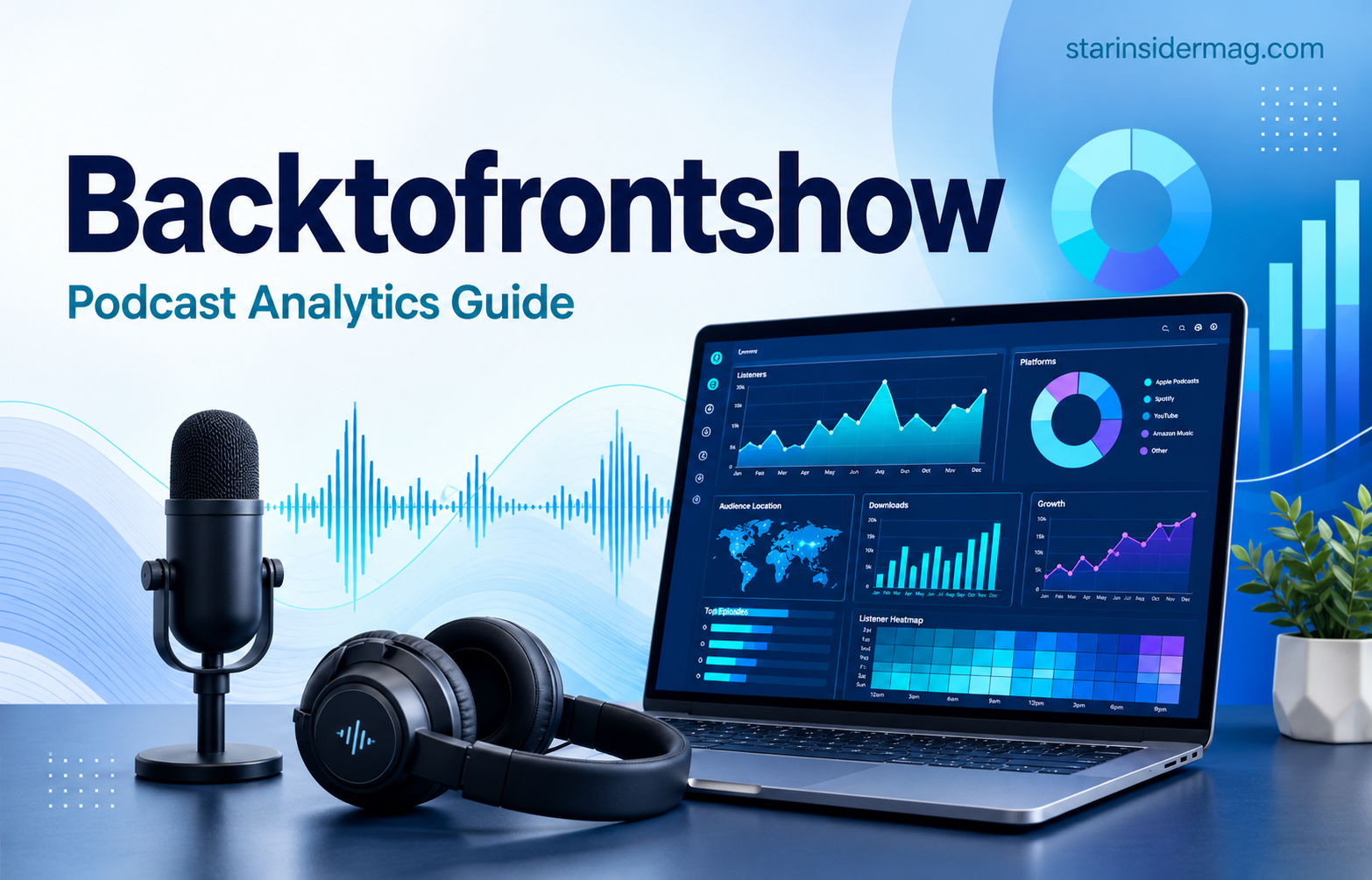
BackToFrontShow is described by most online sources as a podcast analytics platform. Its main idea is to look past simple download counts and show how listeners actually behave, including the moments when they stop listening. That kind of listener retention data helps creators see which segments hold attention and which ones cause people to leave.
Because the platform focuses on audience analytics backtofrontshow pricing and listening behavior, it seems aimed at professional podcast creators, branded shows, and agencies that report results to clients. A hobbyist with a handful of episodes may not need this level of detail, but a company that uses audio for marketing or revenue often does. Keep this in mind as you read through the pricing, since the cost only makes sense when the data leads to better decisions.
BackToFrontShow Pricing at a Glance
According to several recent pricing guides, BackToFrontShow offers three tiers: Basic, Pro, and Enterprise. The Basic plan is listed at $1,200 per month, the Pro plan at $3,600 per month, and the Enterprise plan is priced through a custom quote. These figures come from third-party reviews rather than a single public rate card, so treat them as a strong starting point and not as a final invoice.
For a yearly view, the listed monthly rates would work out to about $14,400 a year for Basic and $43,200 a year for Pro, before any discounts, taxes, or contract terms. Those numbers show that this is a business-level tool and not a casual subscription. Always confirm the current price directly with the company before planning your budget.
The Basic Plan Explained
The Basic plan at $1,200 per month is the entry point in BackToFrontShow pricing. Reviews describe it as the plan that covers core podcast analytics, giving creators a clear picture of audience size, listening patterns, and episode performance. It is meant for teams that want more than simple download numbers but do not yet need advanced automation.
This tier tends to suit a single serious show, a small media backtofrontshow pricing team, or a brand that is testing audio as a marketing channel. Since the exact feature list can change, ask for a written breakdown of reports, data history, user seats, and support response times before signing up. A plan that looks affordable on paper can feel limiting if key reports sit behind a higher tier.
What the Pro Plan Adds
The Pro plan costs $3,600 per month and is where the backtofrontshow pricing platform’s more advanced tools appear. Third-party sources say it includes deeper audience analytics, listening behavior insights, AI sentiment analysis, real-time analytics, and API integrations. In simple terms, Pro is built for teams that want live data, automated insight, and the ability to connect podcast metrics to other business software.
Before choosing Pro, it is wise to verify the API limits, integration compatibility, and how the AI sentiment analysis actually works. A feature name alone does not tell you how accurate or useful a tool will be. Ask for a trial, a sample report, or a live demo so you can judge whether the extra $2,400 per month brings results your team will really use.
Understanding Enterprise Pricing and Custom Quotes
Enterprise is the one tier without a fixed number. The official backtofrontshow pricing page uses a contact-for-pricing approach, which means businesses must request a custom quote. This is common with large analytics platforms, because the final price often depends on the number of shows, the volume of data, the level of support, and any special integrations.
When you ask for an Enterprise quote, be specific. Share how many backtofrontshow pricing podcasts you manage, how many people need access, which systems you want to connect, and what security or reporting rules your company follows. The clearer your request, the more accurate the quote will be, and the easier it becomes to negotiate contract length, onboarding help, and service commitments.
Why Pricing Details Differ Across Websites
One thing worth knowing is that information about BackToFrontShow is not perfectly consistent online. Some reports note that the homepage and the pricing page describe the plans in slightly different ways, and a few older sources present the brand differently. This is not unusual for fast-changing software, but it does mean readers should be careful about which source they trust.
The safest habit is to treat the company’s own website and backtofrontshow pricing written quote as the final word. Third-party guides, including this one, are useful for understanding the general range and the questions to ask, yet they cannot replace an official proposal. Take a screenshot of the pricing page on the day you decide, and keep any email that confirms your plan terms.
Hidden Fees, Cancellation, and Refund Questions
The monthly price is only part of the story. Before paying, ask whether there are setup fees, onboarding charges, extra costs for additional users, or limits on data and API calls that could trigger overage billing. Asking these questions early is the simplest way to avoid hidden fees and surprise invoices later.
It is equally important to read the cancellation and refund terms. Find out b acktofrontshow pricingwhether the plan renews automatically, how much notice is required to cancel, and whether unused time is refundable. At this price level, a short conversation about subscription terms can save a large amount of money, so get the answers in writing.
Is BackToFrontShow Worth the Price?
Whether the cost is justified depends on what your podcast earns backtofrontshow pricing or achieves. A show that relies on sponsorships, client reporting, or audience growth can use retention data to improve episode structure, prove value to advertisers, and cut wasted effort. In that case, a few thousand dollars a month may pay for itself through better decisions.
For smaller teams, the math is harder. If your audience is still growing or your budget is limited, a $1,200 monthly commitment is a serious decision, and you should be sure you will act on the insights. A practical test is to set a clear goal, such as improving average listening time, and see whether the platform helps you reach it within a few months.
How to Choose the Right Plan
Start by listing what you truly need today, not what might be nice backtofrontshow pricing to have later. If your main aim is to understand where listeners drop off and which episodes perform best, the Basic plan may be enough. If you need real-time dashboards, AI-based sentiment insight, or data flowing into other tools, Pro becomes more reasonable.
Next, request a demo, ask for a written feature list, and speak with the sales team about contract flexibility. Involve the people who will use the data every week, such as producers and marketers, because their feedback shows whether the tool fits real workflows. A careful choice now prevents paying for features that sit unused.
Final Thoughts on BackToFrontShow Pricing
BackToFrontShow pricing sits firmly in the professional range, with reported rates of $1,200 per month for backtofrontshow pricing Basic, $3,600 per month for Pro, and custom quotes for Enterprise. Its value comes from listener behavior insights that go beyond basic download counts, which can help serious podcast teams make smarter content and business decisions.
As with any software purchase, the best approach is to verify current details on the official website, ask direct questions about fees and cancellation, and test the platform before committing. If the data will guide real decisions, the investment can make sense. If not, it is better to wait until your show is ready for it.







Leave a Reply