
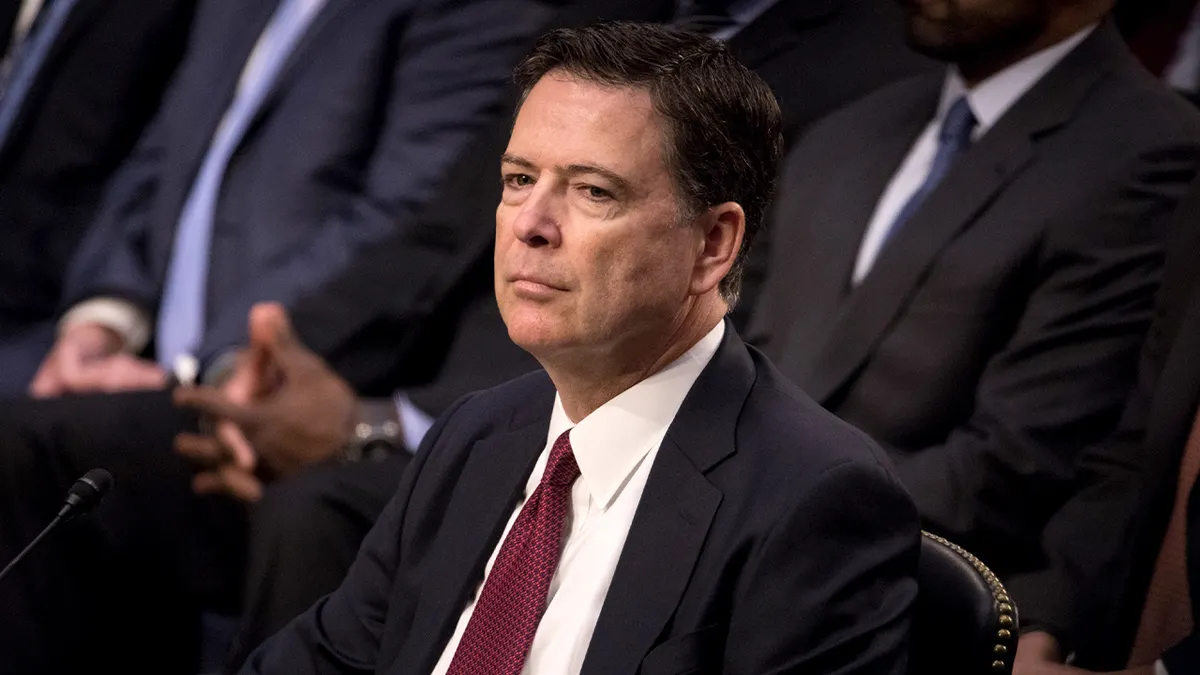
Introduction to Daniel Richman Lawsuit and the Justice Department
The legal landscape surrounding Daniel Richman Lawsuit and the Justice Department and his interactions with the United States Department of Justice has sparked considerable debate across legal, political, and academic circles. At its core, the controversy revolves around questions of confidentiality, the boundaries of advisory roles, and how sensitive information is handled at the highest levels of law enforcement. While lawsuits involving government institutions are not uncommon, this case stands out due to the individuals involved and the broader implications it raises.
Daniel Richman, a respected legal scholar and professor, became widely known not only for his academic contributions but also for his advisory role to former FBI Director James Comey. This connection placed him at the center of a high-profile situation Daniel Richman Lawsuit and the Justice Department when information shared between Comey and Richman became public. What followed was a complex legal and ethical debate about whether such disclosures violated any laws or internal policies.
The lawsuit associated with Richman is not just about one individual’s actions—it represents a broader examination of how informal advisory relationships intersect with formal legal obligations. It raises fundamental questions about transparency, accountability, and the limits of discretion within the Justice Department.
In this article, we will unpack the lawsuit in detail, explore the legal arguments involved, and examine its broader implications for the Daniel Richman Lawsuit and the Justice Department and public trust in legal institutions.
Background: Who is Daniel Richman?
Daniel Richman is widely regarded as an authority in criminal law and federal prosecution practices. As a professor at Columbia Law School, Daniel Richman Lawsuit and the Justice Department he has spent years studying and teaching the intricacies of the American legal system. His expertise made him a natural choice as an informal advisor to James Comey during his tenure as FBI Director.
Richman’s role was not official in the traditional sense. He was not a government employee at the time of the events in question, but he served as a trusted confidant. This distinction is crucial because it lies at the heart of the legal debate: whether someone outside formal government employment can still be bound by confidentiality rules typically applied to federal officials.
The controversy began when Comey shared memos documenting his interactions with then-President Donald Trump. Comey later testified that he Daniel Richman Lawsuit and the Justice Department provided at least one of these memos to Richman, instructing him to share its contents with a journalist. This act triggered intense scrutiny and eventually led to legal questions about whether classified or sensitive information had been improperly disclosed.
Richman’s defenders argue that he acted within legal boundaries, as the information in question was not classified at the time it was shared. Critics, however, contend that even unclassified information can be sensitive and subject to restrictions, particularly when it involves ongoing investigations or high-level communications.
The Lawsuit: Core Legal Issues
The lawsuit tied to Daniel Richman revolves around several key legal issues, each of which has significant implications for how the Justice Department operates.
First, there is the question of whether Richman violated any laws by sharing information with the press. This depends largely on the classification status of the information and whether Richman was bound by any confidentiality agreements. If the memos were indeed unclassified and Richman was not a government employee, the legal basis for any violation becomes much weaker.
Second, the lawsuit raises concerns about the handling of government documents. Even if information is not classified, there may still be rules governing its Daniel Richman Lawsuit and the Justice Department dissemination. The Justice Department has strict policies about how internal communications are managed, and any deviation from these policies can trigger legal challenges.
Third, there is the issue of intent. In legal cases involving information disclosure, intent often plays a critical role. Did Richman knowingly violate any rules, Daniel Richman Lawsuit and the Justice Department or was he acting in good faith based on his understanding of the law? This distinction can significantly affect the outcome of a lawsuit.
Finally, the case touches on broader constitutional issues, including freedom of the press and the public’s right to know. If Richman’s actions were aimed at bringing important information to light, they could be viewed as serving a public interest, which may weigh in his favor.
The Justice Department’s Role and Response
The United States Department of Justice plays a central role in this case, both as a potential enforcer of legal standards and as an institution whose policies are under scrutiny. Daniel Richman Lawsuit and the Justice Department The DOJ is responsible for determining whether any laws were broken and, if so, whether prosecution is warranted.
In situations like this, the DOJ must balance multiple considerations. On one hand, it has a duty to uphold the law and ensure that sensitive information is protected. On the other hand, it must also consider the broader context, including the public interest and the potential consequences of pursuing legal action.
The department’s response to the Richman situation has been closely watched. Any decision to prosecute—or not prosecute—could set a precedent for how similar Daniel Richman Lawsuit and the Justice Department cases are handled in the future. It could also influence how advisors and other non-government individuals interact with federal officials.
Moreover, the DOJ’s handling of this case has implications for its credibility. Public confidence in the Justice Department depends on the perception that it applies the law fairly and consistently. Any appearance of bias or inconsistency could undermine trust in the institution.
Ethical Considerations and Professional Responsibility
Beyond the legal questions, the Daniel Richman Lawsuit and the Justice Department raises important ethical issues. Legal professionals are held to high standards of conduct, even when they are not acting in an official capacity. This includes maintaining confidentiality and avoiding actions that could compromise the integrity of the legal system.
Richman’s actions have sparked debate within the legal community about where to draw the line between ethical responsibility and public accountability. Some argue that his decision to share information was justified given the circumstances, particularly if it helped shed light on matters of public concern.
Others believe that even informal advisors should adhere to strict confidentiality standards, especially when dealing with sensitive information. Daniel Richman Lawsuit and the Justice Department They argue that any breach of trust, regardless of intent, can have serious consequences for the functioning of government institutions.
This tension between ethical obligations and the public interest is not unique to this case, but it is particularly pronounced here due to the high-profile nature of the individuals involved.
Broader Implications for Government Transparency
One of the most significant aspects of the Richman lawsuit is its impact on the ongoing debate about government transparency. In recent years, there has been increasing pressure on public officials to be more open and accountable.
Richman’s actions can be seen as part of this broader trend. By facilitating the release of information, he may have contributed to greater transparency. Daniel Richman Lawsuit and the Justice Department However, this raises the question of whether such actions should be encouraged or discouraged.
Transparency is essential for a functioning democracy, but it must be balanced against the need to protect sensitive information. Daniel Richman Lawsuit and the Justice Department Striking this balance is one of the key challenges facing the Justice Department and other government institutions.
The outcome of this case could influence how this balance is achieved in the future. It may lead to clearer guidelines about what can and cannot be shared, and under what circumstances.
Legal Precedents and Future Impact
The Daniel Richman lawsuit has the potential to set important legal precedents. Cases involving the disclosure of information by non-government individuals are relatively rare, which means that any ruling could have far-reaching implications.
If the courts find that Richman did not violate any laws, it could create a precedent that allows for greater flexibility in how information is shared. Daniel Richman Lawsuit and the Justice Department This could have a chilling effect on efforts to maintain confidentiality within the government.
On the other hand, if the courts rule against Richman, it could lead to stricter enforcement of confidentiality rules. This might deter individuals from sharing information, even when doing so could serve the public interest.
Either outcome will likely influence how future cases are handled and could shape the behavior of both government officials and their advisors.
Public Perception and Media Coverage
The role of the media in the Richman case cannot be overlooked. The disclosure of information to journalists was a key element of the controversy, Daniel Richman Lawsuit and the Justice Department and media coverage has played a significant role in shaping public perception.
Some media outlets have portrayed Richman as a whistleblower who helped bring important information to light. Others have criticized his actions as irresponsible or even unlawful.
Public opinion on the case is divided, Daniel Richman Lawsuit and the Justice Department reflecting broader political and ideological differences. This division highlights the challenges faced by the Justice Department in navigating such high-profile cases.
The way this case is ultimately resolved will likely influence how similar situations are reported and perceived in the future.
Conclusion:
The Daniel Richman lawsuit is about much more than one person’s actions. It is a complex case that touches on fundamental issues of law, ethics, and governance. It raises important questions about how information is handled, who is responsible for maintaining confidentiality, and how the public’s right to know should be balanced against the need for discretion.
As the case continues to unfold, it will undoubtedly remain a topic of intense interest and debate. Its outcome could have lasting implications for the Justice Department, the legal profession, and the broader public.
In the end, the Richman case serves as a reminder of the delicate balance that must be maintained in a الديمقراطية—one where transparency, accountability, and the rule of law must coexist, even when they are in tension with one another.










Leave a Reply