
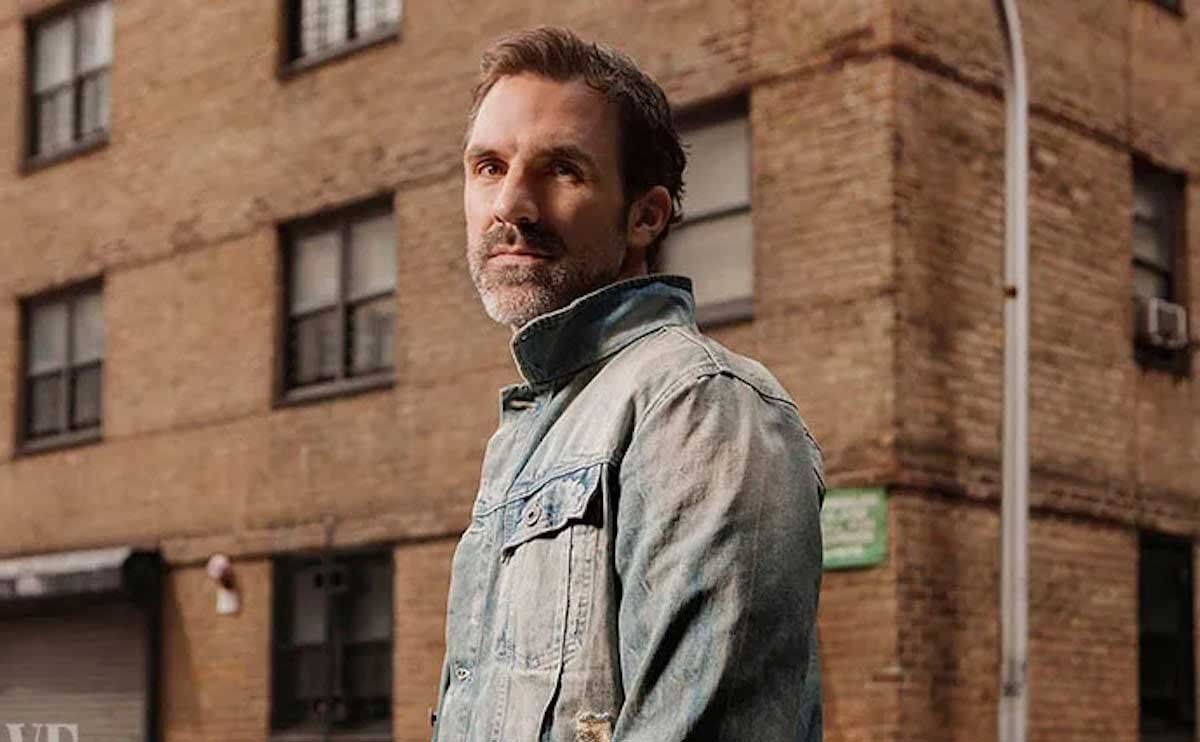
Introduction to Paul Schneider
Paul Schneider was born on March 16, 1976, in Asheville, North Carolina, a place known for its artistic culture and scenic beauty. Growing up in such an environment likely played a subtle but meaningful role in shaping his creative sensibilities. Unlike many actors who grow up in major entertainment hubs like Los Angeles or New York, Schneider’s upbringing was rooted in a more grounded, community-oriented setting. This contrast often reflects in the authenticity he brings to his roles.
From an early age, Schneider displayed an interest in storytelling, though it wasn’t necessarily limited to acting. Like many artists, he explored different avenues before fully committing to a career in film and television. His journey into acting wasn’t Paul Schneider driven by fame but by a genuine curiosity about human behavior and narrative. This motivation would later become a defining aspect of his career choices.
He attended the University of North Carolina School of the Arts, one of the most respected institutions for performing arts in the United States. This formal training gave him a solid foundation in both classical and contemporary acting techniques. It also exposed him to a network of creatives who would later play a role in his professional journey.
Interestingly, Schneider’s early life didn’t follow the typical “overnight success” narrative. Instead, it was marked by steady growth, experimentation, and Paul Schneider a willingness to take risks. This slow-burn approach helped him develop a strong sense of identity as an actor, allowing him to remain selective and intentional about the roles he pursued.
Breaking into the Film Industry
Schneider’s entry into the film industry was not marked by a single breakout role but rather a series of thoughtful performances that gradually built his reputation. Paul Schneider One of his earliest notable collaborations was with filmmaker David Gordon Green, who also hailed from North Carolina. This partnership proved to be instrumental in Schneider’s early career.
He appeared in films like George Washington (2000) and All the Real Girls (2003), both directed by Green. These films were part of a wave of independent cinema Paul Schneider that emphasized character-driven storytelling over commercial appeal. Schneider’s performances were subtle yet powerful, showcasing his ability to convey complex emotions without relying on dramatic theatrics.
Unlike many actors who chase mainstream success early on, Paul Schneider seemed comfortable operating within the indie film circuit. This choice allowed him to work on projects that aligned with his artistic values. It also helped him avoid being typecast, as he took on a variety of roles that highlighted different aspects of his talent.
His early work earned him critical acclaim, even if it didn’t immediately translate into widespread fame. Critics often praised his naturalistic acting style, Paul Schneider which felt refreshingly genuine in an industry sometimes dominated by exaggerated performances. This authenticity became one of his defining traits.
Rise to Recognition: Film and Television Success
As Schneider’s career progressed, he began to gain more visibility through both film and television roles. One of his most recognizable performances came in the NBC sitcom Parks and Recreation, where he played Mark Brendanawicz. The show, which would later become a cultural phenomenon, introduced Schneider to a broader audience.
While his role in the series was relatively short-lived, Paul Schneider it was significant in showcasing his versatility. Transitioning from indie films to a network comedy is no small feat, yet Schneider managed to bring a grounded realism to his character. However, he eventually left the show after its second season, reportedly due to creative differences and a desire to return to more nuanced roles.
In addition to television, Schneider continued to build an impressive filmography. He appeared in movies like Lars and the Real Girl (2007), alongside Ryan Gosling, Paul Schneider where he delivered a heartfelt performance as the supportive brother. This role further demonstrated his ability to shine even in ensemble casts.
He also took on roles in films such as The Assassination of Jesse James by the Paul Schneider Coward Robert Ford (2007), working with actors like Brad Pitt. These projects allowed him to collaborate with some of the industry’s biggest names while maintaining his commitment to meaningful storytelling.
Acting Style and Artistic Approach
One of the most striking aspects of Schneider’s career is his distinctive acting style. He is often described as a “naturalistic” actor, meaning his performances feel incredibly real and unforced. This approach sets him apart from many of his contemporaries who rely on more overtly dramatic techniques.
Schneider has a unique ability to inhabit his characters fully, making them feel like real people rather than scripted personas. He pays close attention to small details—Paul Schneider body language, tone of voice, and subtle facial expressions—which collectively create a deeply immersive experience for the audience.
Another key element of his artistic approach is his selective choice of roles. Schneider is not known for chasing blockbuster fame or high-profile projects purely for visibility. Instead, he gravitates toward stories that offer depth and complexity. This has resulted in a career that, while not always in the spotlight, is consistently respected within the industry.
His background in theater also plays a role in his acting style. Paul Schneider Theater training often emphasizes character development and emotional authenticity, both of which are evident in Schneider’s performances. This foundation allows him to adapt seamlessly between different mediums, from stage to screen.
Challenges and Career Decisions
Like many actors who prioritize artistic integrity over commercial success, Paul Schneider has faced his share of challenges. One of the most notable was his departure from Parks and Recreation. While the show went on to achieve massive popularity, Schneider chose to step away, a decision that surprised many fans.
This move highlighted his commitment to staying true to his creative instincts. Rather than remaining in a role that didn’t fully align with his vision, he opted to explore other opportunities. While this may have limited his mainstream exposure, it reinforced his reputation as an actor who values substance over fame.
Another challenge has been navigating the balance between independent and mainstream projects. While indie films offer creative freedom, they often lack the Paul Schneider financial backing and visibility of major studio productions. Schneider’s career reflects a careful balancing act between these two worlds.
Despite these challenges, Schneider has managed to maintain a steady and respected presence in the industry. His willingness to take risks and make unconventional choices has ultimately contributed to the longevity of his career.
Notable Works and Career Highlights
Over the years, Schneider has built a diverse portfolio of work that spans multiple genres and formats. In addition to his earlier films, he has appeared in projects like Bright Star (2009), directed by Jane Campion. In this film, he portrayed Charles Armitage Brown, delivering a performance that was both nuanced and memorable.
He also starred in the television series The Divide (2014), where he took on a more intense and dramatic role. This project allowed him to explore darker themes and showcase a different side of his acting abilities.
Another noteworthy appearance was in American Horror Story, a series known for its bold storytelling and complex characters. Schneider’s involvement in such projects demonstrates his willingness to experiment and push boundaries.
Throughout his career, Schneider has consistently chosen roles that challenge him as an actor. Whether it’s a quiet indie drama or a high-profile television series, he brings the same level of dedication and authenticity to every performance.
Personal Life and Influence
While Schneider is known for his work on screen, he has largely kept his personal life out of the public eye. This privacy is somewhat rare in the entertainment industry, where many actors actively cultivate a public persona. Schneider’s approach reflects his focus on the craft rather than the spotlight.
He has also been involved in directing and writing, further showcasing his versatility as a storyteller. These ventures allow him to explore different aspects of filmmaking and contribute to the creative process in new ways.
Schneider’s influence extends beyond his own performances. He is often cited as an example of an actor who has successfully navigated the industry without compromising his artistic values. For aspiring actors, his career serves as a reminder that success can be defined in many ways.
His collaborations with independent filmmakers have also helped bring attention to smaller, character-driven stories. In this sense, Paul Schneider has played a role in supporting and sustaining the indie film community.
Conclusion:
Paul Schneider may not be a household name in the traditional sense, but his impact on the film and television industry is undeniable. His body of work reflects a commitment to authenticity, creativity, and thoughtful storytelling.
As the entertainment landscape continues to evolve, actors like Schneider are becoming increasingly important. Audiences are seeking more genuine and relatable performances, and Schneider’s style aligns perfectly with this trend.
Looking ahead, there is every reason to believe that Schneider will continue to take on compelling and challenging roles. Whether in front of the camera or behind it, his contributions to the industry are far from over.
In a world where fame often overshadows talent, Paul Schneider stands out as a reminder that true artistry lies in dedication, integrity, and a passion for storytelling. His career is not just a collection of roles but a testament to the power of staying true to one’s craft.





Leave a Reply